

Looking for the best app for investors who are just getting started? The right investment app should offer commission-free trading, an easy-to-use interface, educational resources, and enough flexibility to help you build wealth without overwhelming you. For most new investors in the U.S., apps that offer zero commission on stock and ETF trades, fractional shares, automated investing options, and strong security provide the best overall value.
Investing used to feel like something reserved for financial professionals. Today, anyone with a smartphone and a few dollars can begin building a portfolio. The challenge isn’t finding an investment app—it’s choosing one that matches your goals.
In this guide, we’ll compare the best investment apps for new investors, explain what features actually matter, and help you decide which platform deserves a place on your phone.
What Makes the Best App for Investors?
Not every investing app is designed with beginners in mind. Some focus on active traders, while others simplify long-term investing. If you’re just starting out, look for these essential features:
- Zero commission trading on U.S. stocks and ETFs
- Fractional shares so you can invest with small amounts
- Easy-to-understand interface without unnecessary complexity
- Educational content to help you learn as you invest
- Strong security features, including two-factor authentication
- Low or no account minimums
- Automatic investing to build consistent habits
- Reliable customer support
The best app isn’t necessarily the one with the most features—it’s the one that helps you stay invested for the long term.
Best Investment Apps for New Investors in 2026
1. Fidelity Investments – Best Overall for Beginners
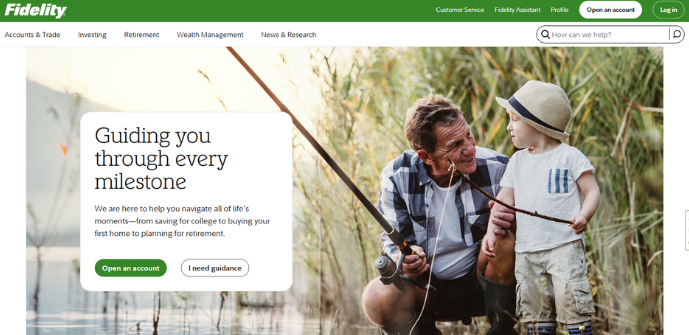
Fidelity continues to be one of the strongest choices for first-time investors.
Why it stands out:
- Commission-free stock and ETF trading
- No account minimum for many accounts
- Fractional share investing
- Excellent educational resources
- Retirement accounts and brokerage accounts in one place
- Highly rated customer support
If your goal is long-term investing rather than frequent trading, Fidelity offers a balanced experience that grows with you.
2. Charles Schwab – Best for Long-Term Investors
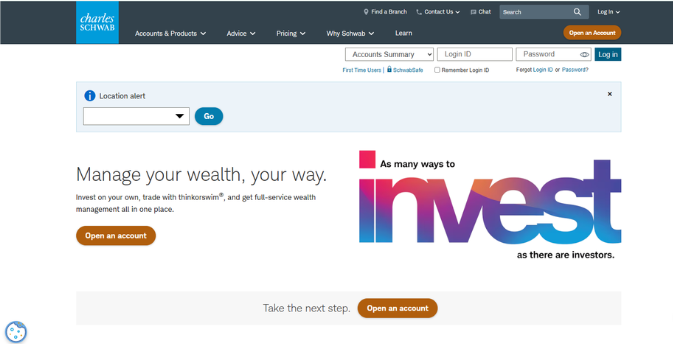
Charles Schwab combines beginner-friendly tools with professional-level research.
Key benefits:
- Zero-commission stock and ETF trades
- Fractional investing through Schwab Stock Slices
- Strong research reports
- Retirement planning tools
- Easy portfolio tracking
It’s an excellent choice if you expect your investing needs to become more advanced over time.
3. Robinhood – Best for Simple Investing
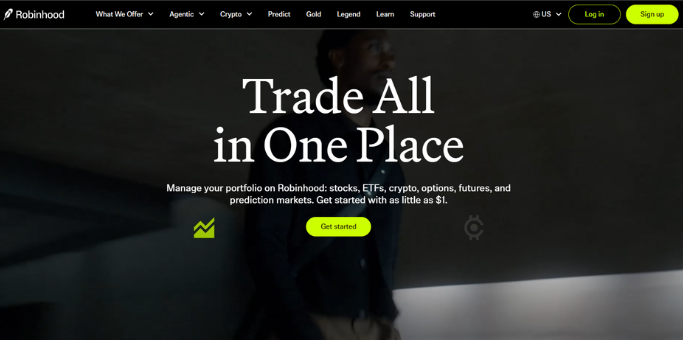
Robinhood made investing popular by removing trading commissions.
Pros:
- Clean, beginner-friendly design
- Quick account setup
- Fractional shares
- Commission-free investing
- Easy recurring investments
While it’s simple to use, beginners should remember that investing isn’t about frequent trading. Building wealth usually comes from consistent long-term investing.
4. Public
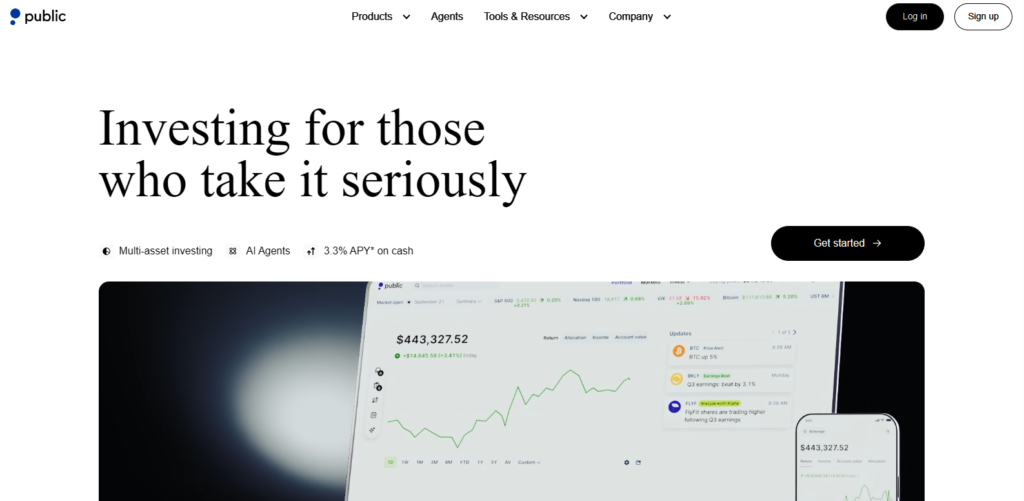
Public focuses on transparency and investor education.
Highlights:
- Fractional investing
- Educational insights
- Community discussions
- Long-term investing focus
- Easy portfolio management
This app is a good fit for people who enjoy learning while they invest.
5. SoFi Invest
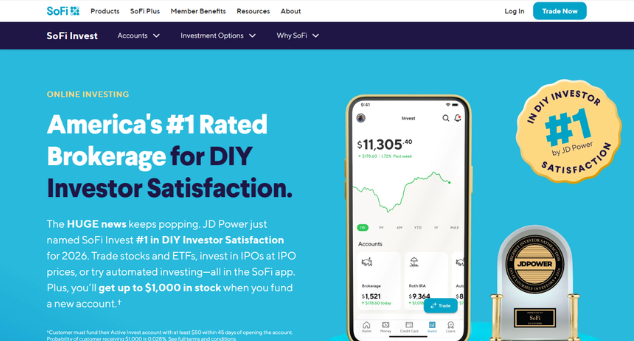
SoFi combines investing with other financial services.
Benefits include:
- Automated investing options
- Self-directed investing
- Financial planning resources
- Educational articles
- Beginner-friendly interface
If you want banking, budgeting, and investing in one ecosystem, SoFi is worth considering.
How to Choose the Right Investment App
Choosing an investing app shouldn’t be based on flashy advertisements or social media trends. Instead, ask yourself these questions:
- Are you investing for retirement?
- Do you want to buy individual stocks or simply invest in ETFs?
- Will you invest monthly through automatic contributions?
- Do you need educational resources?
- Are you comfortable managing your own portfolio?
For most beginners, consistency matters far more than finding the “perfect” investment app.
Remember these practical tips:
- Start with money you can leave invested for years.
- Diversify instead of chasing hot stocks.
- Invest regularly through automatic deposits.
- Keep costs low.
- Review your investments periodically instead of daily.
These habits often have a bigger impact on long-term wealth than switching between different apps.
Final Thoughts
The best app for investors depends on your goals, but beginners generally benefit most from platforms that combine zero-fee investing, strong security, educational resources, and easy portfolio management.
If you’re looking for an all-around recommendation, Fidelity and Charles Schwab stand out for long-term investors thanks to their research tools, customer support, and comprehensive investment options. If simplicity is your top priority, Robinhood, Public, and SoFi Invest also offer accessible ways to begin your investing journey.
No matter which app you choose, the most important step is getting started. Investing consistently, staying diversified, and focusing on long-term growth can help you build wealth over time—regardless of whether you begin with $10 or $1,000.